Best Tyres

Michelin Primacy 3 ST
This is my second review on these tyres, because after trading my previous car (a Mitsubishi Lancer retro-fitted with the Michelin tyres), I bought a… Read more
2020 Honda CR-V AWD, which coincidentally came from the factory as OEM with the same type of Michelin tyres fitted (to all five wheels), albeit a larger size than the Lancer's.
After 22,000 plus kilometres on these tyres, I am still impressed with them, with great riding qualities enhancing the Honda's already smooth ride, good grip in both wet and dry conditions, and also great grip under heavy braking. This car is used for long highway trips, as well as some shorter runs around the city and suburbs, and the tyres instil great confidence in the safety and handling of the car on the road.
Noise levels are a little higher than I would expect, especially considering the improvement they made to the Lancer's interior noise levels, so I would knock maybe half a star of my rating for that. They are not showing much wear at this stage of their lives, so I can't report on the tyres' longevity.
Overall, I still highly recommend these Michelin tyres, although I believe they have been superseded by a newer "model" now, so may no longer be available.

Bridgestone Potenza
- See all


So far these new Bridgestone tyres appear to be very similar in ride quality and grip. They are also noticeably quieter on the same road surfaces. Happy with my dealings with Mobile Tyre service and the fellow who fitted them.

Yokohama Geolandar 🏆 2026

- See all


Mobile Tyre Shop tech arrived in the middle of the booked time slot and fitted tyres without much delay. Good ride on the MTs. A lot quieter than expected and looks good on the 76.

Kumho Ecsta 🏆 2026
- See all


No hassle tyre service,love the tyres thanks.Wiil use again in the future

Michelin Pilot Sport 4
- See all


I have been using the Michelin Pilot Sport 4 tires for a while now, and they have genuinely exceeded my expectations. From the first drive, I noticed… Read more
a significant improvement in grip and steering response. The car felt more planted on the road, especially when taking corners at higher speeds. The steering became more precise, giving me greater confidence behind the wheel.
One of the biggest strengths of these tires is their performance in wet conditions. Driving in heavy rain used to make me a bit cautious, but the Pilot Sport 4 handles standing water and slippery roads remarkably well. The traction is impressive, and the tires provide a reassuring sense of control even during sudden braking or quick lane changes.
Comfort was another pleasant surprise. Despite being performance-oriented tires, they absorb road imperfections reasonably well and do not produce excessive road noise. Long highway trips remain comfortable, and the ride quality feels refined for a sporty tire.
The tread wear has also been respectable. After many miles of driving, the tires still perform consistently and show even wear patterns. Although they are not inexpensive, the quality and performance make the investment worthwhile.
The only downside is the price, as they are definitely premium tires and cost more than many competitors. Additionally, if you frequently drive on rough roads with potholes, you may hesitate because replacing them can be expensive.
Overall, the Michelin Pilot Sport 4 strikes an excellent balance between performance, safety, and everyday comfort. They have made driving more enjoyable and have given me greater confidence in both dry and wet conditions. I would happily purchase them again and highly recommend them to anyone looking for a premium set of performance tires.

Bridgestone Turanza
- See all


I had a bad experience, I have a seven week old M Series BMW, the technician who swapped my tire put scratches all over the front of my wheel, I had… Read more
taken a before and after photo and sent them to the customer service, however the customer service said the resolution wasn’t good enough, I explained that it was a new car and the wheels had absolutely no marks on before, however the customer service just made excuses and refused any responsibility. I suggest you think hard before using these guys, especially if you love your car!!!
Picture of wheel before it was damaged by technician, no signs of any damage.

Kumho Solus
- See all


Fantastic service from The Mobile Tyre Shop who chose the correct Kumho tyres at a really great price. Took about 15mins fitted and balanced in my… Read more
driveway and the gentleman that came was efficient and friendly. Very happy with the Kumho tyres chosen. Will use this service again

Michelin Pilot Sport 3
I have been using Michelin tyres for a very long time with all my cars. I have always felt safe and very confident about them. I highly recommend them, particularly for high performance cars. Show details

Bridgestone Dueler
- Price (RRP) $439
- See all


I’ve been using these for more than 15 years on 3 different cars.They provide excellent on road manners and are tough and very capable off road.As an all round tyre on a car that goes offroad but is a daily driver,I can’t fault them. Show details

Hankook Dynapro
- See all


I purchased a set of Dynapro At2 xtreme LT 121 tyres (edit: in 2024), got them in a 4 for 3 deal for $1140 but since then have had to buy 2… Read more
replacements as well; on this day currently left with one good one, 1 burst, 2 cut tyres from the last trip I no longer trust (one replacement bought in Esperance in Jan 2026 only had 500km on it before getting deep side wall cuts). One is decent, so basically after 18 months and 5000km I need 4 new tyres before heading off on my next outback trip. So far total bill is $1140 + $440+$440
From the very beginning after fitment I was concerned about the amount of wallow and ballooning they had, certainly didn't seem like strong sidewalls, eg they seemed to squirm around in the city when turning left from an intersection, (my older tyres didn't do that and they weren't even LT tyres, just cheap "AT"s that were more of a highway spec). They also ballooned out at the bottom and looked flat @40psi, the previous older tyres my patrol came with looked normal at 38psi. Something is wrong here for an alleged "LT 121" tyre as sidewalls should be stiffer than that.
Of course there's likely thousands of customers that drive on highways, gravel, dirt or beaches happy with their Hankooks, but I bought these as an upgrade to take on serious rocky trails. I thought Hankook made a decent product and I trusted them.
But so far, 5000km, 4 punctures (mostly sidewall tears that then bust later after a tree root or rock impact.) While on the road the past I've replaced 2 due to sidewall bursts, meaning so far I've bought 6 of these tyres: 2 burst, 2 still on my vehicle with enough sidewall damage for me to never go off road with them in a rocky environment I often travel in again ( like south eastern WA where it's all dunes and rocks or even central WA where it's rocky sometimes too. These tyres get sidewall cuts at 21-26psi, and get regular tread punctures at 35psi.)
Blame terrain, pressures, my driving but I always carried 2 of the original fitted tyres (another brand), no punctures or sidewall damage with them and they are just cheap maxtreks - they always got me home on the same terrain without similar damage. I started driving in 1991 and only had one blow out in my life previously (2001 - old tyre on a beater car driving cross country), and only 3 slow punctures in my life as well - usually screws and teks on the road causing slow leaks. So the fact that I got so much tyre damage in the last 12 month period alone just with this tyre brand and model should ring massive alarm bells Too soft Do not behave like a stiff wall 'LT' at all. Seem worse than a cheap highway tyre model so it was $2000 total spent that was not an upgrade in any way, shape or form, only one good tyre left, currently needing 4 new ones. I can't even email the company with pictures and videos because they don't publish an email address

Kumho Crugen
- See all


Nice and quiet tires, and handle really well. Great value for money too! Show details

Pirelli Cinturato P7
- See all


Good service, no hassles, very satisfied customer and would highly recommend these guys

J-Trax A/T
- See all


Had a puncture on my car rang Bob Jane Balcatta the person that took the cool put me at ease two hours later I was being greeted with a smile by a gentleman call Rob my car got sorted great team Balcatta Bob Jane Show details

Pirelli Scorpion Verde All Season
Tyres look great and grip much better than the factory supplied tyres! The technician came on-time and installed the tyres with no fuss. Great time saving! Show details

Pirelli Scorpion ATR
- See all


Really good tyres,couldn’t be happier.extremely quiet no road noise,great handling on wet roads Show details

Michelin LTX
- See all


After using Michelin LTX tires on my car for quite some time, I can honestly say they have been one of the best sets of tires I have owned. I spend a… Read more
lot of time driving in different conditions, including city traffic, highways, and occasional rainy weather, so I wanted a tire that could handle everything comfortably.
The first thing I noticed was how quiet these tires are. Road noise was significantly reduced compared to my previous tires, making long drives much more enjoyable. Highway trips became less tiring because the cabin stayed noticeably calmer and smoother.
Ride comfort has also been excellent. The Michelin LTX absorbs bumps and rough pavement very well, and the car feels composed even on less-than-perfect roads. The steering remains stable, and the tires inspire confidence during lane changes and highway cruising.
Wet-weather performance has been another strong point. During heavy rain, the tires maintained good grip and resisted hydroplaning better than I expected. Braking distances felt short, and the vehicle remained predictable, which added a lot of confidence when driving in poor weather.
One of the biggest reasons I chose the Michelin LTX was its reputation for longevity, and so far it has lived up to that expectation. The tread wear has been very even, and despite putting many miles on them, they still look and perform impressively well. Knowing that the tires are likely to last for years makes the higher purchase price easier to justify.
The only downside is that Michelin LTX tires are not inexpensive. They cost more than many competing options, and the initial investment can feel significant. If someone mainly drives short distances and rarely travels, cheaper alternatives may seem more appealing.
Overall, the Michelin LTX has been an outstanding choice for my car. The combination of comfort, quietness, dependable wet traction, and long tread life has made every drive more pleasant. Although they cost more upfront, the quality and durability make them feel like money well spent, and I would gladly buy another set when the time comes.

Toyo Open Country A/T II
- See all


Great tyres for a 4WD. They really last long. Vehicle has mostly been on sealed roads with occasional venture onto beaches and into the forests. Good… Read more
handling and performance. A bit of a hard ride when pumped up above 38PSI. Deflate to 15 PSI on beaches with loose sand without any problem. Done over 49 000km on them and still have 9mm of tread remaining. I'd definitely buy another set.

Continental UltraContact
- See all


Great tyres very quiet. Great service as well, prompt and polite

Goodyear Eagle F1


Goodyear eagle are the best and to go with that great service

Bridgestone Ecopia EP100
After using the Bridgestone Ecopia EP100 tires for several months, I can confidently say they've been one of the best upgrades I've made for my daily… Read more
driver. I was looking for a tire that offered good fuel efficiency without sacrificing comfort or safety, and these have exceeded my expectations in several areas.
The first thing I noticed was how smooth the ride became. The tires absorb small bumps and imperfections in the road remarkably well, making everyday commuting much more comfortable. They're also surprisingly quiet, especially on highways, where road noise is minimal. Long drives have become much more relaxing because I don't have to deal with constant tire hum.
One of the main reasons I chose the Ecopia EP100 was its reputation for improving fuel economy. While the improvement wasn't dramatic, I did notice my car consuming slightly less fuel during my weekly commute. Over time, those small savings have added up, especially with the amount of driving I do each month.
Performance on dry roads has been excellent. The steering feels predictable, and the tires provide plenty of grip during normal driving. They inspire confidence when taking corners or making quick lane changes without feeling overly sporty or harsh. Wet weather performance has also been reassuring. Even during heavy rain, the tires maintain solid traction and handle standing water well, giving me confidence when conditions aren't ideal.
The tread has worn evenly thanks to regular rotations, and the tires still look to have plenty of life left after thousands of miles. I appreciate that Bridgestone designed these tires to balance longevity with efficiency, making them a practical investment rather than just a short-term solution.
Overall, I've been very happy with the Bridgestone Ecopia EP100. They offer an excellent combination of ride comfort, quiet operation, dependable all-season performance, and noticeable fuel efficiency. For anyone who spends a lot of time commuting or driving on highways and wants reliable tires that help reduce fuel consumption while maintaining everyday comfort and safety, I would happily recommend them based on my experience.

Pirelli Dragon Sport
Best tyre I’ve owned. Super safe, durable and long lasting. Slightly uncomfortable on long drives – Purchased these after multiple tyre breakages with other brands. These lasted by far the longest (actually got to wear them out). They grip well, can… Read more
handle corners in wet and dry conditions, and the 2-ply wall has allowed for excellent durability. My only gripe is they’re a little uncomfortable when driving longer distances- it’s a small price to pay for the safety and durability on offer. Having gone through a few sets now over several years. It’s a shame they’re discontinued as would definitely purchase them again.

Falken WildPeak AT3W



I've been running these tyres for a little over 3 years now on my six wheeler and have nothing but praise for them. I find them great in the wet… Read more
(maybe the 3.8 tonnes helps) and the dry. Off road they are amazing in the sand and rough dirt roads and tracks. I don't do rock crawling so i cannot comment on that with the exception that aren't aggressive mud tyres! They're pretty quiet for an All terrain and are coming up to 40K and are about half worn, so if I can get 70K out of them I'll be extremely happy.

J-Trax H/T
I had the Pirelli AT Plus low profile 20inch on Amarok W580S before, I have done over 85K and I have been extremely happy with them, excellent grip… Read more
and almost no noise that is why I have got another set. They are bit more expensive but way better than many other noisy types Also very happy with Bobe Jane installation, high speed balance and wheel alignment on top of the special warranty with free balance and rotation after 3 months

Pirelli Scorpion AT Plus
- See all


Friendly service, happy to answer questions. Tyres are nice to drive on and very little road noise

Michelin Pilot Sport 4S
Really feeling the difference with these tyres after Potenzas on my m series. So quiet and hard to describe, but my car really does feel more stable… Read more
and 'grippy'. Huge shout out to My tyre Shop too. It was awesome being able to just chill at home watching sport while the guy changed my tyres. Highly recommend both the tyres and MTS. Jeff

Michelin Latitude Tour HP
After driving on the Michelin Latitude Tour HP tires for several months, I can confidently say they have been an excellent upgrade for my SUV. I was… Read more
looking for a tire that offered a smooth, quiet ride while still providing dependable performance in different weather conditions, and these tires have met my expectations.
The first thing I noticed was how comfortable the ride became. Road imperfections, small bumps, and uneven pavement were absorbed much better than with my previous tires. Highway driving feels especially smooth, and there is very little road noise even at higher speeds. Long journeys have become much more enjoyable because the cabin stays noticeably quieter.
The handling has also been impressive. The steering feels responsive and stable, giving me confidence whether I'm driving through city streets or cruising on the highway. Cornering feels predictable, and the tires maintain excellent grip during normal driving. In wet conditions, they perform very well by clearing water efficiently and providing solid traction. I have driven through heavy rain several times and never felt like I was losing control.
Another feature I appreciate is the braking performance. The tires provide reassuring stopping power, and I have noticed shorter, more controlled stops compared to the tires I replaced. This added confidence is especially valuable when driving with family or in busy traffic.
Fuel efficiency has remained consistent, which is another welcome benefit. The low rolling resistance seems to help maintain good fuel economy without sacrificing comfort or grip. After thousands of miles, the tread also shows very even wear, suggesting these tires are built to last if they are properly maintained with regular rotations and correct tire pressure.
One thing to keep in mind is that the Michelin Latitude Tour HP is designed primarily for on-road driving. While it can handle gravel roads and light dirt paths without difficulty, it is not intended for serious off-road adventures or deep mud. For everyday commuting, road trips, and highway travel, however, it performs exceptionally well.
Overall, I have been very satisfied with the Michelin Latitude Tour HP. The combination of ride comfort, quiet performance, dependable wet-weather traction, responsive handling, and long-lasting tread makes it a tire I would happily purchase again. It is an excellent choice for SUV and crossover owners who spend most of their time on paved roads and want a premium tire that delivers comfort and confidence on every drive.

Continental ContiSportContact
Next day prompt service. Roland was very helpful and completed the work quickly and efficiently. Show details

Yokohama BluEarth AE01
Done 70000k on my previous set. Quiet , good grip, reasonably priced

Yokohama Geolandar A/T-S G012
Hopeless tyre came standard on nissan pro 4x – Nearly worn out at 20000 km,they offer good grip wet and dry and not to bad off road , just don't last, my last nissan I put Hankook on and they had 40000 km when I traded it and they were still good Show details

Michelin Primacy 4
After using the Michelin Primacy 4 for quite some time, I can confidently say that these are some of the most comfortable and dependable tires I have… Read more
owned. I mainly drive in the city with regular highway trips, so I wanted a tire that offered comfort, safety, and long lasting performance. The Primacy 4 has delivered on all of those expectations.
The first thing I noticed was how quiet the ride became. Road noise was significantly reduced compared to my previous tires, making longer journeys much more enjoyable. The steering feels smooth and predictable, and the tires absorb small bumps in the road really well, adding to the overall comfort of the drive.
Wet weather performance has been particularly impressive. Even during heavy rain, the tires maintain excellent grip and inspire confidence when braking or taking corners. I never felt like the car was struggling for traction, and the braking distances remained reassuringly short. On dry roads, they provide stable handling with plenty of grip for everyday driving.
Another aspect I have appreciated is their durability. After thousands of kilometers, the tread has worn evenly, and the tires still perform almost as well as when they were new. Fuel consumption has also remained reasonable, which is a nice bonus for daily commuting.
Overall, my experience with the Michelin Primacy 4 has been extremely positive. They may cost a little more than some alternatives, but the comfort, low noise levels, excellent wet weather safety, and impressive longevity make them well worth the investment. I would happily choose them again for my next set of tires and recommend them to anyone looking for a premium touring tire that performs consistently in everyday driving conditions.
Contents
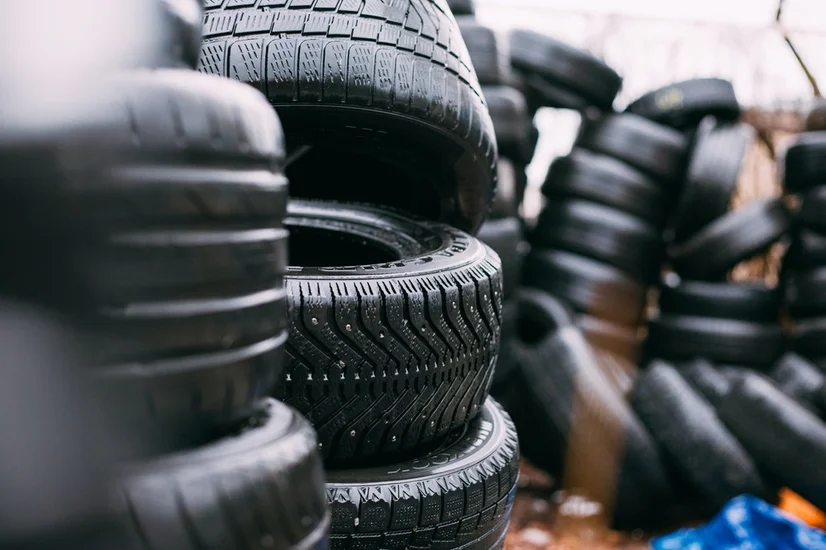
How do I know when to change my tyres?
Generally, a tyre needs to be replaced every 5 years or so. This is because the rubber will naturally deteriorate over time by losing moisture and oils. This tends to happen faster in hotter climates and applies to all tyres, even tyres that aren’t being used such as your spare.
You can know when it’s time to change your tyres by checking for uneven wear when inspecting the surface of your tyres.
The lifespan of your tyres mainly depends on the tread depth. The tread depth of a tyre is particularly important as it’s how your vehicle bonds with the road. Having a shallow tread depth can mean that your car loses traction with the road and takes longer to break - this is even more dangerous in wet conditions.
As tyres wear down, the tread wear indicators (small bars in the tread grooves) get shorter and eventually become smooth. When only 1.6mm of tread is left, the tyres have officially become unroadworthy. Instead of waiting that long, it is recommended that you get them replaced once they go down to 2mm.
When replacing your tyres, it’s best to do all four at once. This is because mismatched tyres can influence the overall balance and road grip of the vehicle.
What tyres should I get for my car?
The first thing you should do is check your manufacturer’s guide in order to choose tyres that are suitable for your particular vehicle. The manufacturer can help identify the right size, speed rating and load rating for your vehicle.
You should look for tyres that have an optimum blend of handling, braking, efficiency, wear rate, ride comfort and road noise. You can get a better sense of how a tyre performs by reading reviews on our website.
There are many well-reputed brands to choose from such as Bridgestone, Michelin and Pirelli. The brand of tyre you choose depends on personal preference, but it is best to ensure your two front tyres are of the same brand and the two rear tyres are the same. Having different brands on each row may result in poor handling.
How much should I spend on a tyre?
Tyres can range in price from $100 to $1,000 or more. Why is there such a big range? Well, tyres in the upper range can give a better grip and may have additional qualities such as lower noise levels at higher speeds. Smaller cars can suit more affordable tyres, whereas a luxury car will demand a higher quality tyre with a high speed rating.
What do the codes on my tyres mean?
The code on the side of the tyre may seem complex when it's placed all together, but each segment provides valuable information that can help you decide on the right tyre for your car.
Using the Kumho P 215/65 R15 90H as an example, here’s what it means:
Brand and name: The first part will simply be the maker of the tyre (in this case, Kumho) and will sometimes include the particular model range.
Type: The first letter will indicate the style of vehicle the tyre is designed for:
P: Passenger car and most 4WD
LT: Light truck and some utes
M: Motorcycle
T: Temporary
Width: The first set of numbers in the code will indicate the tyre width measured in millimetres. In this instance, the width is 215mm.
Profile: The second number (in this case, 65) refers to the ratio of the tyre width to height. This number is expressed as a percentage. Generally, tyres with a lower profile are used on performance cars and have a firmer sidewall.
Construction: How the tyre is constructed is indicated by a letter:
- R: Radial (as is the case in our example tyre)
- D: Diagonal
- B: Bias belt
Radial tyres were first developed in 1946 and are flexible and absorb shock well. Diagonal tyres consist of casing layers made from nylon cord. They give high vehicle stability and a high resistance against side wall damage. Bias-belted tyres provide a smoother ride and lower rolling resistance.
Diameter: The diameter is given in inches (in this case, 65) and will tell you which size rim the tyre is designed to fit. Typically, the larger the diameter, the more expensive the tyre will be. As car wheels are increasing in size, the smaller tyre sizes tend to be less popular.
Load index: Load ratings can be expressed in kilograms or as an index number. An index number of 90 carries up to 600kg. This is essentially how much load a correctly inflated tyre can handle. Index numbers range from 70-126. Examples include 84 (500kg), 86 (530kg), 89 (580kg), 92 (630kg), and 94 (670kg).
Speed rating: The last letter of the code indicates the speed rating, which tells you the absolute maximum speed the tyre can handle. This is very important to note as you are legally obliged to fit tyres with the correct speed rating on your car.
The ratings range from A-Z with A1 topping at 5 km/h and Y at 300 km/h. They follow a chronological pattern, except H appears after U and before V at 210km/h and there is no O or X. Spare tyres and winter tyres generally have lower speed ratings in the range of M to Q, while high-performance tyres are in the V-Z range. Some examples include:
- M: 130 km/h
- S: 180km/h
- T: 190km/h
- H: 210km/h
- V: 240 km/h
- W: 270km/h
Types of tyres
There are a wide range of specialised tyres available for 4WDs, vans and cars. Different tyres also have different tread patterns for optimal seasonal performance.
Before selecting new tyres for your vehicle, take a look at the different tyres available and make your decision based on your driving style and requirements.
Winter tyres
Otherwise known as snow tyres, winter tyres have phenomenal tread depth which is meant to keep you safe in snowy, icy and wet conditions. They have deep grooves and unique patterns to reduce snow accumulation, providing better traction on the snow.
Summer tyres
Shallow and straight grooves enable summer tyres to provide enhanced aquaplaning resistance and excellent performance when temperatures are above 7°c.
Also known as standard tyres, they have a softer rubber compound to enhance stability and grip, and they sport a sticky tread compound and design that provides resistance against aquaplaning.
All-season tyres
Designed with both summer and winter tyre technology, all-season tyres deliver a compromised performance in all conditions.
They are not optimised for different weather conditions in the same way seasonal tyres are, however they are ideal for drivers who want a practical pair of wheels that don’t need changing every summer or winter.
Run flat tyres
Run flat tyres enable you to continue driving for a short distance following a puncture due to their thick, reinforced sidewalls. Run flat tyres have been designed to protect you on the road if you suffer a puncture whilst driving as it still allows you to maintain control of the car until you can stop in a safe place.
Energy-saving tyres
What makes a tyre fuel efficient? A tyre with low rolling resistance can reduce fuel consumption and save on CO2 emissions. Energy-saving tyres are designed to lower emissions and fuel consumption. This saves you on fuel and money while also being better for the environment.
Most major tyre manufacturers create energy-saving tyres which have been designed to lower fuel consumption. Michelin has the Green X range, Bridgestone has the Ecopia range and Pirelli has the Cinturato range.
High performance tyres
High-performance tyres have excellent characteristics for high-speed driving. They are made from a softer rubber and feature more rigid side walls. This means your vehicle can hug tight curves and provide a smoother driving experience. The wide surface and stick rubber mean the braking is highly responsive.
Types of tyre patterns
Tyres are designed with different tread patterns meant to suit various driver requirements. The potential arrangement of channels, grooves, sipes and blocks can mean you have thousands of different patterns to choose from.
Some tyre patterns are optimised for high-speed agility and cornering whereas others are designed to deliver superior safety in wet conditions. Whilst all tyre patterns are slightly different, they can be separated into three main categories.
Asymmetric tyres
Asymmetric tyres are designed with two alternate tread patterns to provide high performance on both dry and wet road conditions.
The outer edge of the tyre will usually contain large stiff tread blocks which help with cornering whilst the inside contains smaller tread blocks that provide resistance against aquaplaning and enable grip.
Asymmetric tyres usually provide high levels of performance thanks to their superior gripping abilities and are mainly found on SUVs and luxury vehicles.
Directional tyres
Directional tyres have an arrow-shaped tread pattern that distributes water away from the tyre thread and can only rotate in one direction to effectively combat aquaplaning. These tyres also deliver high levels of directional stability and reduce noise levels.
Tyres with a directional tread pattern tend to provide the best performance in wet conditions and this is why most winter tyres are designed with this tread pattern.
Symmetrical tyres
Symmetrical tyres, otherwise known as multi-directional tyres, feature a symmetrical tyre pattern and can be fitted in any position of the vehicle and can travel in any direction. This is useful if you needed to rotate the tyres on your vehicle.
This tread pattern is ideal for urban drivers as they offer enhanced road holding and excellent gripping capabilities. They are not optimised for wet conditions, however, making them unsuitable for more rural areas.
You can read reviews on the best tyres on the market today to help you make up your mind.